




Reading time: approximately 7 minutes
Ecological fashion is a production approach before it’s an aesthetic. The visible signs – natural materials, minimal processing, local sourcing – are outputs of decisions made long before the piece is finished.
What Is Ecological Fashion?
Ecological fashion refers to clothing, footwear and accessories designed and produced with attention to environmental impact. The term is broad, covering everything from the raw materials used in production to what happens to the item at the end of its useful life.
This is different from green marketing, which applies vague environmental language to products without backing it up with specific claims. Ecological fashion has real, measurable criteria: what are the materials made from, how much water and energy does production consume, is the supply chain traceable, and does the product last long enough to justify its production footprint?
The movement has grown substantially since the early 2010s, driven by consumer awareness of the fashion industry’s documented environmental problems – it is one of the world’s largest sources of water pollution and textile waste – and by improvements in natural and bio-based materials that make ecological alternatives genuinely competitive in quality.
What Role Do Materials Play in Ecological Fashion?
Material choice is the starting point for any ecological fashion product. The material determines how a product is produced, how long it lasts, and what happens when it’s no longer worn.
Natural materials – wool, cotton, linen, wood, stone – come from biological sources and can biodegrade at end of life. But not all natural materials are produced sustainably: conventional cotton farming uses large amounts of water and pesticides. The source and production method matter as much as the material category.
Bio-based synthetic materials offer a middle path. Cellulose acetate is derived from wood pulp or cotton linters and can replace petroleum-based plastics in eyewear frames and accessories. It has similar durability to conventional plastic but relies on renewable plant sources rather than fossil fuels. Recycled materials redirect existing waste into new products, typically with lower emissions than extracting virgin raw materials.
What Are the Environmental Benefits?
The environmental case for ecological fashion is straightforward: natural and renewable materials require less energy to produce, generate less pollution and break down more cleanly at end of life than synthetic alternatives. In practice, the benefits depend on how carefully the entire lifecycle is managed.
Water is a significant factor. Dyeing and finishing processes in conventional textile production are major sources of water pollution. Brands that use low-impact dyes or natural finishing processes reduce this substantially. Carbon footprint is another measure – shipping, manufacturing energy and raw material production all contribute. Brands that manufacture close to their material source or choose materials with lower embedded carbon generally have a better footprint.
Why Is Longevity the Core of Ecological Fashion?
One of the most effective things a fashion product can do ecologically is last a long time. A pair of sunglasses that lasts ten years has a far lower per-year environmental cost than one that lasts two. This is why material quality and construction methods matter so much in the ecological equation.
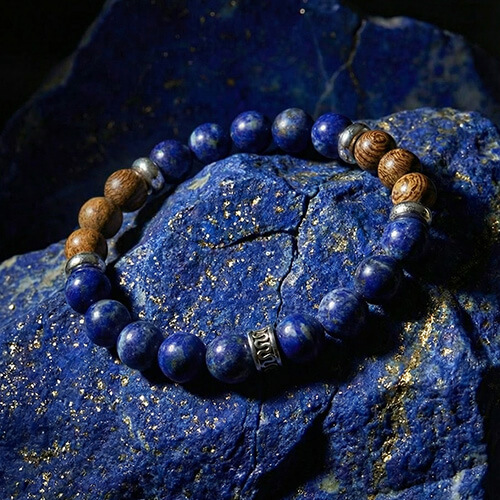
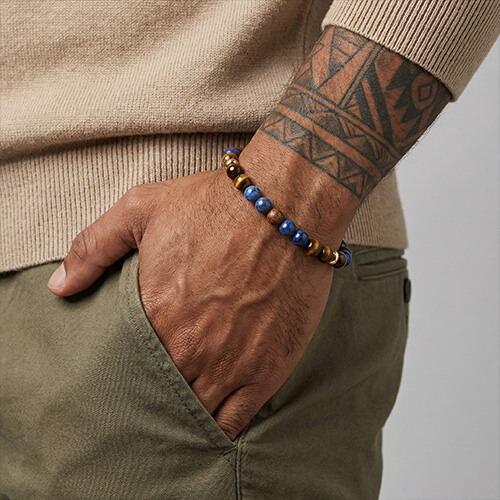
Fast fashion’s problem isn’t only materials – it’s the model of rapid obsolescence, where low prices encourage frequent replacement. Ecological fashion inverts this: spend more upfront on something made well from responsible materials and keep it for years. A handcrafted bracelet from genuine gemstone beads will outlast a mass-produced plastic equivalent many times over.
“The sunglasses are beautiful, comfortable and lightweight. Above all – made from recycled materials, which matters a lot to me. One of those purchases I’m genuinely happy with.”
Is Cellulose Acetate Actually Ecological?
Cellulose acetate is widely misunderstood. Many people assume all acetate eyewear frames are “plastic” in the conventional petroleum sense. Quality cellulose acetate is not – it is derived from wood pulp and cotton linters, biological sources that are renewable and biodegradable under the right conditions.
The production process uses fewer volatile organic compounds than petroleum-based plastics and produces a material with richer color depth and better long-term durability. The frames can also be repaired and adjusted in a way that injected plastic cannot. From an ecological standpoint, choosing cellulose acetate over conventional plastic reduces dependence on fossil fuel-derived materials and produces a product that will break down rather than persist in landfill indefinitely.
| Material | Origin | Durability | Ecological Rating |
|---|---|---|---|
| Cellulose Acetate | Plant (cotton / wood pulp) | 5-10 years | Good |
| Natural Wood | Sustainably farmed trees | 5-10 years | Excellent |
| Polycarbonate | Petroleum | 1-3 years | Poor |
| TR-90 Nylon | Petroleum | 2-4 years | Poor |
What Makes Wood and Stone Ecological Materials?
Wood and gemstone are among the most naturally ecological materials available for accessories. Both are extracted from the earth, but with responsible sourcing, both can be harvested with minimal environmental disruption.
Gemstones are typically inert once shaped into beads – they don’t degrade, don’t off-gas and don’t require chemical treatments to maintain. A bracelet made from lava rock, tiger eye or black onyx is essentially permanent. Wood used in accessories is generally taken from small-diameter timber or offcuts. FSC-certified wood comes from forests managed for long-term sustainability, according to the internationally recognized environmental standards that govern responsible material sourcing.
Are There Health Benefits to Ecological Materials?
Ecological materials have practical advantages for the person wearing them – not just for the environment.
Many conventional materials contain plasticizers, dyes and stabilizers that can leach over time. Direct skin contact – as happens with eyewear frames and jewelry – creates ongoing low-level exposure. Cellulose acetate can be certified to contain no harmful substance residues, which is one reason it’s preferred over cheaper plastics for eyewear worn for hours at a time.
Metal alloys common in conventional eyewear often contain nickel, which causes allergic reactions in 10-15% of the population. Natural material products reduce this risk entirely. For a deeper look at materials and skin sensitivity, see our guide on hypoallergenic eyewear materials.
Worth Considering
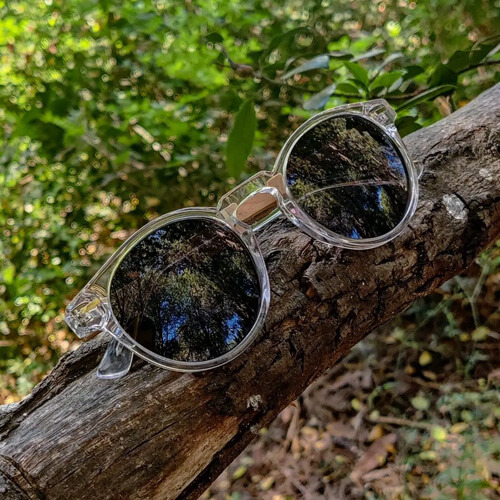
Drift – bio-acetate frame with recycled wood temples. A practical example of cellulose acetate and natural wood in everyday eyewear. TAC polarized lenses with UV400.
Browse the full sunglasses collection to see all frame options built from ecological materials.
Mr. Woodini was founded in 2018 by Idan Birenberg. We design eco-accessories built from materials with a story – recycled wood temples, natural stone beads, handcrafted construction. Our guides are written from direct experience: testing frames daily, sourcing materials, and building pieces by hand. Learn more about us.
Questions About Ecological Fashion
Using natural or recycled materials, responsible production processes and designing for longevity rather than seasonal obsolescence. It’s a complete approach to making clothing and accessories – not just a material swap or a marketing label.
Quality cellulose acetate is derived from wood pulp and cotton linters – renewable biological sources, not petroleum. It biodegrades under industrial composting conditions and requires fewer volatile organic compounds to produce than conventional plastic. Genuinely different from standard injected plastic in both origin and end-of-life profile.
Higher upfront, usually – but the cost per year of use often favors ecological products. A pair of acetate sunglasses that lasts eight years costs less per year than a cheap pair replaced every two. Durability changes the long-term calculation significantly.
Look for specific material information – what it’s made from, where it comes from – rather than vague terms like “green” or “conscious.” Certifications like FSC for wood and GOTS for textiles add independent verification. Brands that are genuinely ecological explain the specifics.