


Reading time: approximately 6 minutes
Travel sunglasses face more variables than everyday pairs – altitude, water reflection, different UV levels by latitude. The right choice depends on where you’re going, not just what looks good.
Why Are Travel Sunglasses Different From Everyday Ones?
Frames take more stress during travel than in normal daily use. Luggage compression, temperature swings between air-conditioned environments and direct sun, exposure to salt air, and hours of use across shifting light conditions all put more strain on frames and lenses than a daily commute does.
The pair that works for walking around your city might not suit a beach holiday in strong tropical sun, a ski trip at altitude, or a road trip with variable weather. Understanding what the destination actually demands makes it possible to pack the right pair.
How Do You Choose Sunglasses by Destination?
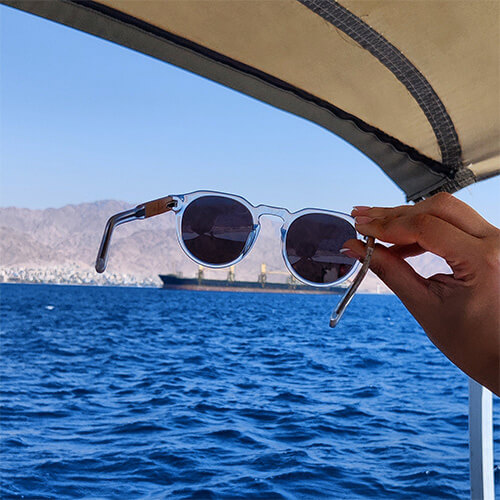
Beach and coastal destinations need maximum UV protection and polarized lenses. The combination of direct sun and reflected light from water creates intense glare that non-polarized lenses don’t eliminate. A medium to large frame with good coverage reduces light entering from the sides.
Mountain and high-altitude destinations need darker lens tints and high UV protection. UV intensity increases roughly 10% for every 1,000 meters of altitude. Skiing adds snow reflection on top of that, creating some of the most intense UV environments possible.
City travel is more forgiving. You’re moving between indoor and outdoor environments frequently, so very dark lenses can be inconvenient. A medium-tint grey or brown lens with UV400 protection handles most urban conditions without being too dark indoors.
| Destination | Lens | Polarized? |
|---|---|---|
| Beach / tropical | Dark grey or brown | Yes |
| Mountain / ski | Dark grey or mirrored | Optional |
| City / mixed | Medium grey or green | No |
| Road trip | Brown or amber | Yes |
| Overcast / variable | Light amber or yellow | No |
What UV Protection Do You Actually Need?
UV400 means the lens blocks 99-100% of UV radiation up to 400 nanometers, covering both UVA and UVB. This is the standard you should require in any sunglasses used for travel – not a premium feature.
UV protection is independent of lens darkness. A very dark lens without UV coating doesn’t protect your eyes – it actually causes more harm by causing your pupils to dilate while providing no filtering. Conversely, a light-tinted lens with full UV400 coating provides complete protection. Tint controls brightness; coating controls UV.
When Do You Need Polarized Lenses for Travel?
Polarization filters horizontally reflected light – the kind that creates glare off water, wet roads, snow and glass. It doesn’t affect UV protection but dramatically improves visual comfort in high-glare environments.
Polarized lenses are strongly recommended for beach, coastal, ski, fishing and driving trips. They reduce eye fatigue from sustained glare and improve visual clarity. One practical limitation: polarized lenses can make phone screens and ATMs harder to read at certain angles – a small trade-off against the comfort advantage.
How Well Do Different Frame Materials Hold Up When Traveling?
Acetate frames are more resilient to temperature variation than standard injected plastic. Quality acetate maintains its shape better in heat and can be gently reshaped if it distorts. Stainless steel spring hinges absorb repeated flexing – preferable for travel where frames get put on and taken off throughout the day.

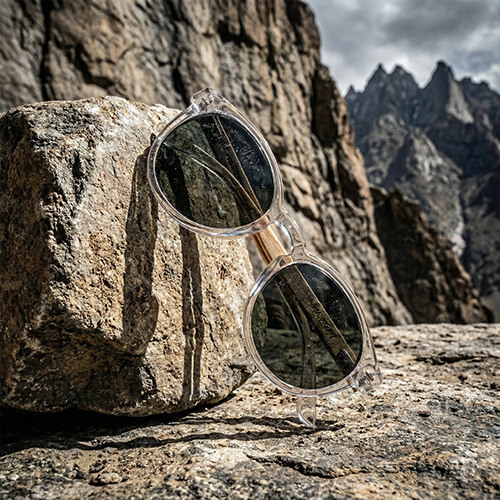
Porto – bio-acetate sunglasses with recycled wood temples
How Should You Pack Sunglasses to Protect Them?
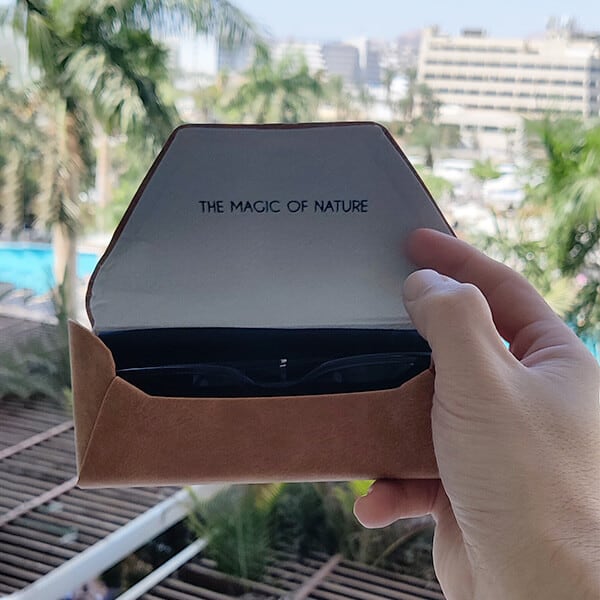
A rigid hard case is the only real protection. Soft pouches protect against surface scratches when stored, but not against compression or impact. If your frames didn’t come with a hard case, buy one separately.
Don’t leave frames on car dashboards or in direct sun inside a parked car. Interior temperature in summer can exceed 70°C – enough to warp acetate and degrade lens coatings. Store them in the glove compartment or carry them with you.
Salt air and sunscreen are the two most common causes of lens coating degradation at beach destinations. Rinse frames with fresh water after sea spray exposure, and clean lenses with a microfiber cloth before sunscreen dries onto the surface.
“Three years with these glasses and they still look brand new. Solid quality.”
Worth Considering
Mr. Woodini sunglasses – bio-acetate frames with recycled wood temples, stainless steel spring hinges and TAC polarized lenses with UV400 protection. Ships with a hard case included. Frame dimensions and UV specs are listed on every product page.
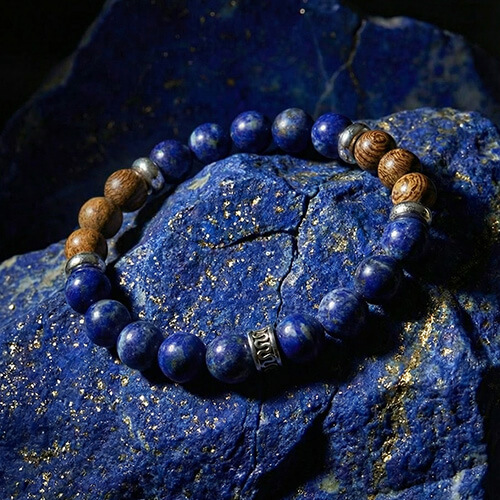
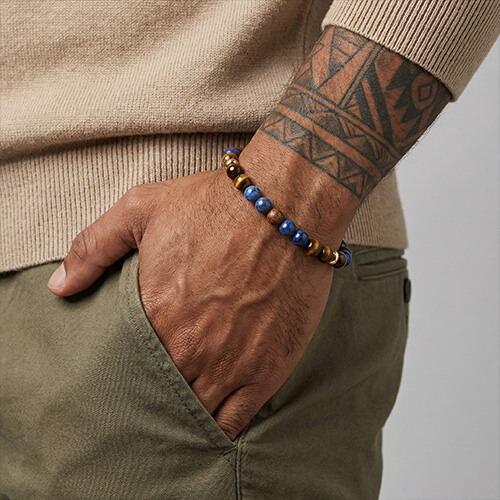
Mr. Woodini was founded in 2018 by Idan Birenberg. We design eco-accessories built from materials with a story – recycled wood temples, natural stone beads, handcrafted construction. Our guides are written from direct experience: testing frames daily, sourcing materials, and building pieces by hand. Learn more about us.
Questions About Travel Sunglasses
Lightweight, durable, UV400 rated and packable in a hard case. Polarized lenses are a strong addition for destinations with intense light – beaches, mountains, road trips. Avoid very large frames that don’t pack flat easily.
Depends on the destination. For beach, coastal, ski or road trips – yes, polarized lenses make a real difference to comfort. For city travel with frequent indoor-outdoor movement, standard UV400 lenses are usually sufficient.
Hard case in a carry-on, not checked luggage. If space is tight and you must use a soft case, wrap in a t-shirt and place in the center of the bag rather than at the edges where it can get compressed.
Yes – acetate handles moisture better than cheap plastic. Avoid prolonged soaking and store properly when not wearing. The wooden temples need slightly more care near salt water – a quick dry wipe after beach use is enough.